
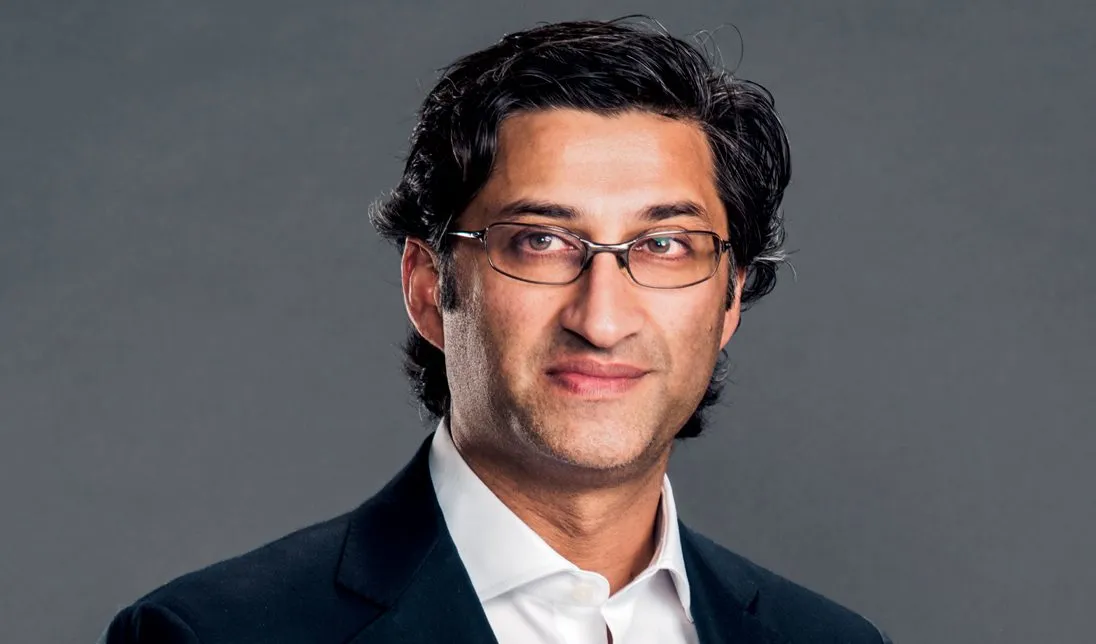
The work of Asif Kapadia has always been defined by its refusal to sit comfortably within established categories. His documentaries have reconfigured the relationship between truth and image, memory and narrative. What began as an experiment in using only archival material has now become a distinctive mode of storytelling, one that interrogates how cinema can reshape our understanding of both past and future. With Senna, Amy, Diego Maradona, and 2073, he has crafted a body of work that illustrates the potential of nonfiction cinema to be at once intimate, expansive, and unsettling.
Senna set the foundation for this approach. By removing commentary and interviews, Asif Kapadia created a narrative built entirely from footage drawn from broadcasts, racing archives, and contemporaneous interviews. The effect was a portrait that unfolded in real time, as though audiences were living alongside the driver’s triumphs and tragedies. The technique carried over into Amy, where home recordings and typography transformed her music into autobiography. By revealing vulnerability in fragments of video and lyrics, he reframed a story often dominated by tabloid caricature. Diego Maradona took the method further, combining hours of footage into a gangster-like narrative that depicted the volatility of a global icon caught between worship and destruction.
What distinguishes Asif Kapadia’s recent film 2073 is its ambition to use these same archival principles to imagine the future. Real-world material — protests, climate disasters, political campaigns — merges with dramatized sequences filmed with LED technology. Samantha Morton’s performance as Ghost situates the audience inside a dystopian landscape where the boundary between history and projection dissolves. The result is an immersive world in which present crises serve as evidence of what lies ahead. By merging documentary and speculative fiction, the film becomes less prediction than reflection, an invitation to see the present differently.
Collaboration underpins much of this achievement. Asif Kapadia brought together multiple editors, assigning Chris King to documentary portions and Sylvie Landra to dramatized segments. This division acknowledged the duality of the project, preserving authenticity while embracing invention. Bradford Young’s cinematography provided visual continuity between archive and staged sequences, while the score intertwined electronic and orchestral tones, reinforcing the film’s tension between immediacy and speculation. Together, these contributions shaped a work that feels simultaneously grounded and otherworldly.
The reception of 2073 underscores the global relevance of Asif Kapadia’s method. In Europe, its depictions of environmental collapse resonated strongly, while in North America audiences gravitated toward its warnings about political surveillance. Elsewhere, viewers focused on the universality of displacement and social fracture. Each response reflected the elasticity of the material: the same film became different depending on cultural context. This adaptability is not accidental but a consequence of his decision to build films as mosaics, capable of reflecting varied anxieties while holding together as a coherent whole.
The trajectory of Asif Kapadia suggests a filmmaker deeply committed to innovation. He has consistently sought to expand what nonfiction cinema can contain, drawing on the fragments of everyday life — from YouTube clips to phone recordings — and turning them into structures of meaning. Whether restoring humanity to famous figures or constructing visions of potential futures, he continues to resist the boundaries of genre. Through his work, audiences are reminded that the distinction between documentary and fiction, past and future, is less rigid than it appears. His films show that cinema can capture not only what has been but also what might yet come.
