
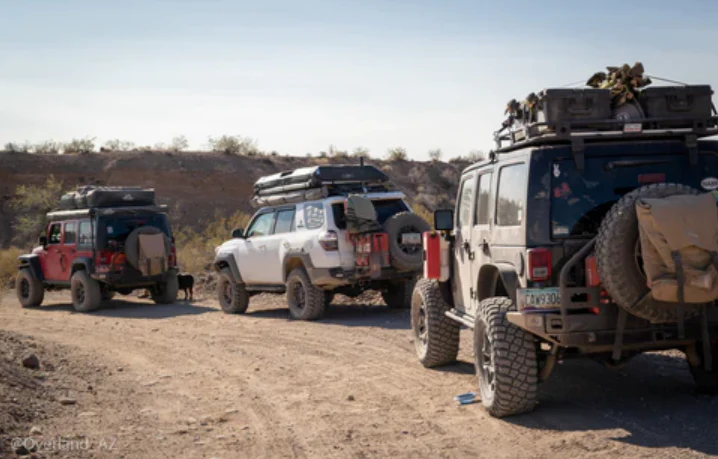
Overlanding has grown from a niche travel style into a global adventure movement. Unlike traditional road trips, overlanding focuses on the journey itself—navigating remote landscapes, camping in the wild, and relying on specially equipped off-road vehicles to explore places far beyond paved roads.
For outdoor enthusiasts, overlanding blends off-road driving, self-sufficient travel, and immersive exploration. The right vehicle, preparation, and mindset can turn rugged trails and distant horizons into unforgettable experiences.
What Is Overlanding?
Overlanding is a form of travel where the primary goal is exploration through remote routes, often using off-road vehicles capable of handling harsh terrain. Trips may last from a weekend to several months and often involve camping along the way.
Key elements that define overlanding include:
- Self-reliance with food, water, and equipment
- Travel across unmaintained roads or trails
- Use of 4×4 or all-terrain vehicles
- Camping in remote locations
- Focus on exploration rather than speed
Unlike extreme off-roading competitions, overlanding emphasizes sustainable travel and enjoying nature rather than pushing vehicles to the limit.
Choosing the Right Off-Road Vehicle
Selecting the right vehicle is one of the most important decisions for overlanding. The best vehicles combine durability, cargo space, and strong off-road capability.
Popular Overlanding Vehicle Types
1. 4×4 SUVs
Reliable and capable vehicles that perform well on difficult terrain.
Examples include:
- Toyota Land Cruiser
- Jeep Wrangler
- Ford Bronco
- Land Rover Defender
2. Pickup Trucks
Pickup trucks offer large cargo beds for equipment and camping gear.
Advantages include:
- Easy installation of bed campers
- Higher payload capacity
- Strong towing capability
3. Expedition Vehicles
These are heavily modified trucks or vans designed for long-distance travel with built-in living spaces.
Essential Vehicle Features
When preparing a vehicle for overlanding, look for:
- Four-wheel drive (4WD) or all-wheel drive
- High ground clearance
- Strong suspension system
- All-terrain or mud-terrain tires
- Reliable engine and drivetrain
Many adventurers also install roof racks, rooftop tents, skid plates, and snorkels for added capability.
Essential Overlanding Gear
Overlanding requires the ability to survive comfortably in remote areas. Packing the right equipment ensures safety and convenience throughout the journey.
Recovery Equipment
Off-road terrain can easily trap vehicles. Recovery gear helps you get unstuck.
Essential items include:
- Recovery straps
- Traction boards
- Winch
- High-lift jack
- Shovel
Navigation Tools
Remote areas often lack cellular service. Reliable navigation tools are crucial.
Recommended options:
- GPS navigation units
- Offline maps
- Compass and paper maps
- Satellite communication devices
Camping Equipment
Since overlanding involves extended stays outdoors, a comfortable camp setup is important.
Common overlanding camping gear includes:
- Rooftop tents or ground tents
- Portable refrigerators
- Camp stoves
- Water storage tanks
- Solar power systems
Planning an Overlanding Route
A successful trip depends on thoughtful planning. Overlanders often spend weeks researching routes before starting their journey.
Important Planning Steps
1. Study Terrain and Weather
Different environments require different preparations. Desert travel, mountain trails, and jungle roads each present unique challenges.
2. Map Fuel Stops
Remote routes may have limited fuel stations. Always calculate fuel range and carry extra fuel if necessary.
3. Research Local Regulations
Many regions restrict vehicle access in protected areas. Check national park rules, permits, and seasonal closures.
4. Create an Emergency Plan
Inform someone about your travel route and schedule. Carry emergency communication devices in case of unexpected situations.
Best Destinations for Overlanding
Around the world, certain regions have become iconic destinations for overlanding adventures.
Africa
Africa is considered the birthplace of modern overlanding. Vast savannahs, deserts, and wildlife reserves offer unmatched adventure routes.
Australia
The Australian Outback features long desert tracks, remote national parks, and legendary overland routes like the Canning Stock Route.
Iceland
Iceland’s highlands provide dramatic volcanic landscapes, river crossings, and glacier views.
The Himalayas
Mountain passes and rugged terrain create one of the most challenging overlanding environments in the world.
Safety Tips for Overlanding
Even experienced adventurers prioritize safety when traveling off-grid.
Important safety practices include:
- Travel with at least one additional vehicle when possible
- Carry sufficient water and food supplies
- Maintain regular vehicle inspections
- Monitor weather conditions
- Pack a complete first-aid kit
Learning basic vehicle repair skills can also make a significant difference in remote environments.
The Growing Overlanding Community
Overlanding has evolved into a global community of explorers who share routes, equipment ideas, and travel stories. Social media platforms, travel blogs, and international events have helped connect enthusiasts from around the world.
Many overlanders emphasize responsible travel, following principles such as:
- Leave No Trace camping
- Respect for local cultures
- Protecting wildlife habitats
By combining adventure with environmental responsibility, overlanding continues to inspire people to explore the outdoors sustainably.
Conclusion
Overlanding offers a unique way to experience the world—far beyond crowded highways and tourist routes. With a capable off-road vehicle, proper gear, and careful planning, travelers can access remote landscapes that few people ever see.
Whether navigating desert dunes, mountain passes, or forest trails, overlanding transforms travel into a true expedition of discovery, resilience, and freedom.
Frequently Asked Questions (FAQs)
1. What is the difference between overlanding and off-roading?
Off-roading focuses on driving vehicles across challenging terrain for sport, while overlanding emphasizes long-distance travel and exploration, often with camping and self-sufficiency.
2. Do you need a heavily modified vehicle for overlanding?
Not necessarily. Many trips can be completed with a stock 4×4 vehicle, though upgrades like better tires and recovery gear improve safety and capability.
3. How much does it cost to start overlanding?
Costs vary widely. Basic setups may cost a few hundred dollars for camping gear, while fully equipped vehicles can exceed $20,000 in modifications.
4. Is overlanding safe for beginners?
Yes, provided beginners plan carefully, travel on well-known routes first, and carry essential safety equipment.
5. What type of tires are best for overlanding?
All-terrain tires are the most common choice because they balance durability, traction, and comfort on both highways and dirt trails.
6. How long do overlanding trips usually last?
Trips can range from weekend adventures to months-long expeditions, depending on the route and travel goals.
7. Can overlanding be done solo?
Yes, but traveling with other vehicles is often safer in remote areas. Solo travelers should carry reliable communication devices and emergency supplies.
