
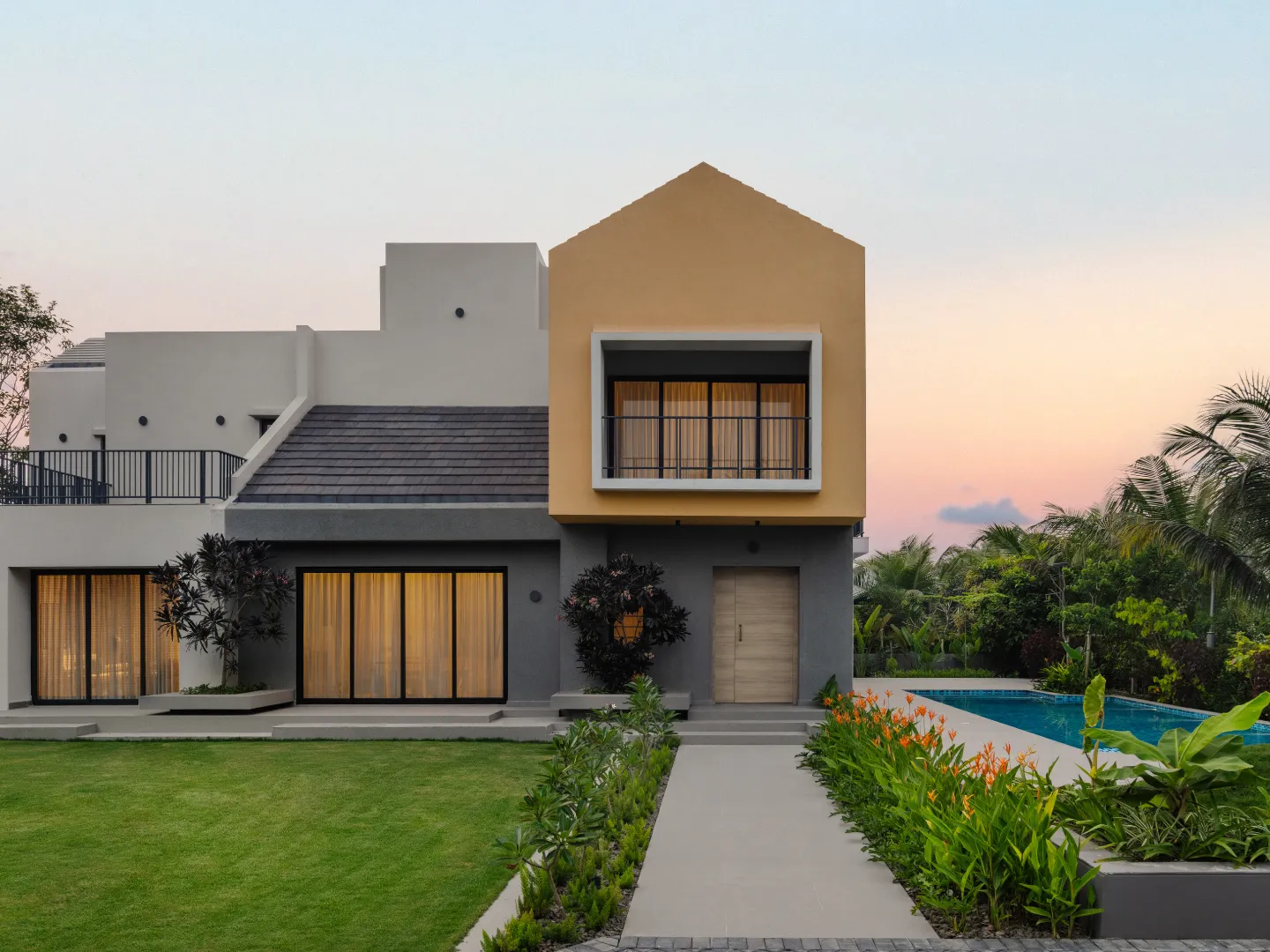
A home is more than just a physical structure; it is a place where comfort meets identity, where memories are created, and where one feels the deepest sense of belonging. For many, the concept of home extends beyond bricks and mortar, representing security, stability, and a personal haven. Whether you live in a modern city apartment or a countryside cottage, how you shape your home defines not only its functionality but also your lifestyle.
The Meaning of Home
The word home carries profound emotional weight. While a house is the building itself, a home is what you make of it. It embodies:
-
Safety and comfort – a place to rest and recharge after long days.
-
Identity and expression – interiors and design choices reflect personality.
-
Family and relationships – a space that fosters connections and nurtures bonds.
-
Memories and traditions – every corner often tells a story or holds sentimental value.
This blend of practicality and emotion is why people invest so much thought and care into shaping their living spaces.
Designing a Functional Home
Every home needs to balance aesthetics with functionality. The layout, design, and furnishings should reflect how you use the space daily.
Space planning
A well-planned layout maximises usability without overcrowding. Open-plan designs, for instance, offer flexibility, while segmented spaces create defined areas for specific activities.
Furniture and storage
Investing in multifunctional furniture, such as sofa beds or storage ottomans, saves space and adds practicality. Built-in wardrobes and shelving also keep the environment organised.
Lighting
Natural light is one of the most effective ways to make a home feel inviting. Complementing it with layered artificial lighting—ambient, task, and accent—ensures every space feels functional and atmospheric.
Creating Comfort at Home
A comfortable home blends sensory experiences with emotional reassurance.
-
Textures and fabrics: Soft furnishings, rugs, and throws add warmth and cosiness.
-
Climate control: Good insulation, heating, and ventilation systems enhance comfort all year round.
-
Personal touches: Photographs, artwork, and heirlooms give a home character and make it distinctly yours.
-
Quiet zones: Designated areas for relaxation, such as reading corners or meditation spaces, help foster peace of mind.
Home and Sustainability
Modern homeowners are increasingly focusing on sustainability. Eco-friendly design reduces environmental impact while lowering household costs.
Energy efficiency
Insulation, energy-saving appliances, and LED lighting are simple yet impactful steps. Solar panels can also contribute to renewable energy use.
Sustainable materials
Natural and recycled materials such as bamboo flooring, reclaimed wood, or organic textiles create eco-conscious interiors.
Water conservation
Low-flow taps, dual-flush toilets, and rainwater harvesting systems support responsible water usage.
Technology in the Home
The rise of smart home technology has transformed everyday living. From security systems to energy control, technology enhances both convenience and safety.
-
Smart security: Doorbell cameras, motion sensors, and automated locks add peace of mind.
-
Voice-controlled devices: Assistants help manage tasks, play music, or control lighting effortlessly.
-
Energy monitoring: Apps and smart meters track consumption, encouraging responsible usage.
Outdoor Spaces as Part of the Home
Gardens, patios, and balconies expand living spaces, offering relaxation and socialisation opportunities.
-
Gardens: Whether large or small, greenery enhances mood and supports wellbeing.
-
Balconies: With the right furniture, even compact outdoor areas can become peaceful retreats.
-
Outdoor dining: Creating alfresco dining spaces with weather-resistant furniture extends the usability of your home.
Emotional Connection with Home
People often feel emotionally tied to their homes. This connection arises from traditions, celebrations, and personal milestones.
-
Cultural rituals: Homes are often central to festivals and family gatherings.
-
Personal history: Childhood homes or family residences carry lasting sentimental value.
-
Sense of belonging: A stable home fosters emotional security and resilience.
FAQs About Home
How can I make my home feel more inviting?
Focus on warm lighting, soft furnishings, and decluttering. Adding personal items such as books, family photos, and artwork creates a welcoming atmosphere.
What are some budget-friendly ways to improve my home?
Consider DIY projects like painting walls, rearranging furniture, or introducing indoor plants. Affordable upgrades such as new curtains or lighting fixtures can transform spaces.
Why is natural light important in a home?
Natural light improves mood, boosts productivity, and makes spaces appear larger. It also helps reduce energy consumption by cutting down on artificial lighting use.
How can I incorporate sustainability without major renovations?
Start with energy-efficient bulbs, eco-friendly cleaning products, and mindful recycling. Small actions build towards a more sustainable lifestyle.
What role does furniture play in defining a home?
Furniture provides functionality but also expresses personal style. The choice of design, material, and arrangement contributes significantly to the home’s overall atmosphere.
